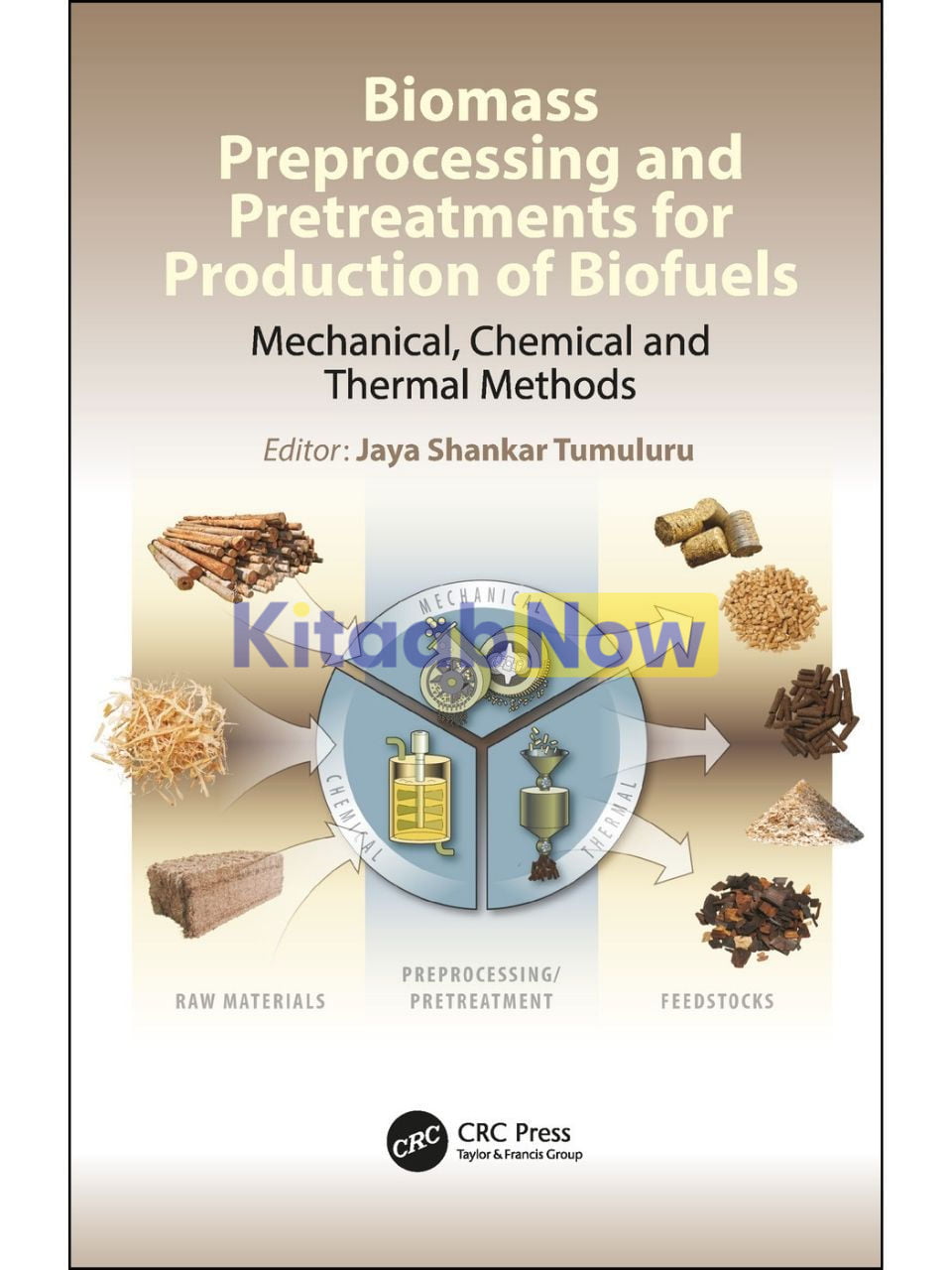
Biomass Preprocessing and Pretreatments for Production of Biofuels
Nutritive
$ 94.31
DescriptionEngineering the physical, chemical, and energy properties of lignocellulosic biomass is important to produce high-quality consistent feedstocks with reduced variability for biofuels production. The emphasis of this book will be the beneficial impacts that mechanical, chemical, and thermal preprocessing methods can have on lignocellulosic biomass quality attributes or specifications for solid and liquid biofuels and biopower production technologies. “Preprocessing” refers to treatments that can occur at a distance from conversion and result in an intermediate with added value, with improved conversion performance and efficiency.This book explores the effects of mechanical, chemical, and thermal preprocessing methods on lignocellulosic biomass physical properties and chemical composition and their suitability for biofuels production. For example, biomass mechanical preprocessing methods like size reduction (which impacts the particle size and distribution) and densification (density and size and shape) are important for feedstocks to meet the quality requirements for both biochemical and thermochemical conversion methods like enzymatic conversion, gasification, and pyrolysis process. Thermal preprocessing methods like drying, deep drying, torrefaction, steam explosion, hydrothermal carbonization, and hydrothermal liquefaction effect feedstock’s proximate, ultimate and energy property, making biomass suitable for both solid and liquid fuel production. Chemical preprocessing which includes washing, leaching, acid, alkali, and ammonia fiber explosion that can enable biochemical composition, such as modification of lignin and hemicellulose, and impacts the enzymatic conversion application for liquid fuels production. This book also explores the integration of these preprocessing technologies to achieve desired lignocellulosic biomass quality attributes for biofuels production.Table of ContentsIntroductionMechanical PreprocessingConventional and Advanced Mechanical Preprocessing Methods for Biomass: Performance- Quality Attributes and Cost AnalysisEffects of Mechanical Preprocessing Technologies on Gasification Performance and Economic Value of SyngasMechanical Fractionation of Biomass Feedstocks for Enhanced Pretreatment and ConversionBiomass Gasification and Effect of Physical Properties on ProductsThe impacts of biomass pretreatment methods on bio-oil productionThermal PreprocessingSteam Treatment of Cellulosic Biomass for PelletizationHydrothermal Carbonization (HTC) of Biomass for Energy ApplicationsThermal Pretreatment of Biomass to make it Suitable for Biopower ApplicationThe Impacts of Thermal Pretreatments on Biomass Gasification and Pyrolysis ProcessesHydrothermal Liquefaction – A Promising Technology for High Moisture Biomass ConversionChemical PreprocessingChemical Preprocessing of Feedstocks for Improved Handling and Conversion to BioFuelsAmmonia fiber expansion and its impact on subsequent densification and enzymatic conversionAcid Preprocessing Treatments: Benefit for Bioconversion of Biomass for Liquid Fuels and Bioproduct ProductionImpacts, Challenges and Economics of Ionic Liquid Pretreatment of BiomassCompositional and Structural Modification of Lignocellulosic Biomass for Biofuel Production by Alkaline TreatmentEditor BiographyDr. Jaya Shankar Tumuluru is a senior scientist in the Biofuels Department at the Idaho National Laboratory. He is the principal investigator for the Biomass Size Reduction, Drying, and Densification project supported by the Bioenergy Technologies Office at the U.S. Department of Energy. At INL his research is focused on mechanical and thermal preprocessing and pretreatments of biomass. Dr. Tumuluru has also worked on understanding the storage behavior of woody, and herbaceous biomass, biomass drying, food processing using extrusion cooking, shelf-stable food products, food storage, and process modeling and optimization. He has acted as a reviewer for many high impact factor journals in bioenergy and food processing. He has also reviewed the proposal for national, international grant agencies. He has published more than 100 papers in the peer-reviewed journals, book chapters, conference proceedings and has presented more than 80 papers in national and international conferences.