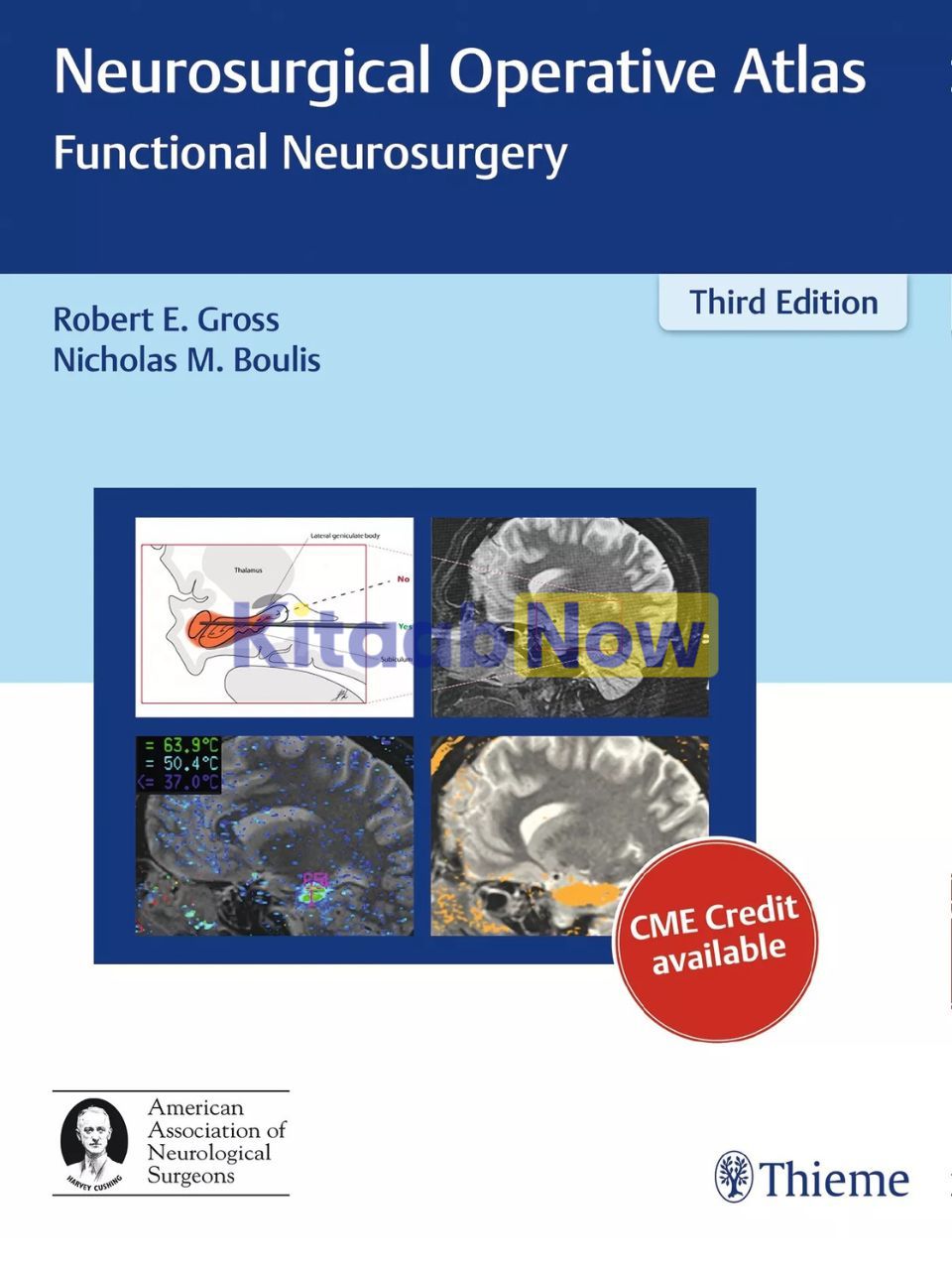
DescriptionA state-of-the-art guide to evolving functional neurosurgery approaches from world-renowned innovators.Functional neurosurgery focuses on improving the lives of patients with epilepsy, movement disorders, pain, and psychiatric illnesses.In recent years, approaches ranging from open surgery to minimally invasive techniques have been leveraged to improve daily functioning and quality of life in people struggling with painful, highly disruptive, and/or treatment-resistant symptoms. These approaches focus on reducing or eliminating seizures, alleviating pain, decreasing abnormal movements or lessening debilitating symptoms associated with specific psychiatric disorders. Neurosurgical Operative Atlas: Functional Neurosurgery, Third Edition, by renowned functional neurosurgeons Robert Gross, Nicholas Boulis, and esteemed contributors reflects the latest advances in functional and stereotactic neurosurgical approaches. The entire atlas has been streamlined and updated with new content, including the use of stereotactic surgery to treat obsessive compulsive disorder, Tourette syndrome, and major depression.Key FeaturesA full spectrum of epilepsy treatment techniques, including intracranial monitoring with stereo-electroencephalography, selective amygdalohippocampectomy, MRI-guided stereotactic laser ablation, vagus nerve stimulation, and more.Deep brain stimulation (DBS) for Parkinson’s disease, tremor, dystonia, epilepsy and medically intractable pain syndromes, with in-depth implantation guidance.The use of neurosurgical and interventional techniques to treat pain including percutaneous ablation, peripheral nerve stimulation, spinal cord and motor cortex stimulators, and pumps.More than 300 high quality color illustrations detail anatomy and surgical procedures.This is the ultimate guide on functional neurosurgery for managing a wide range of incapacitating neurological conditions.Neurosurgical residents, fellows, and veteran neurosurgeons specializing in this rapidly evolving subspecialty will find this state-of-the-art book invaluable — reading it cover to cover will ultimately benefit patients.Series DescriptionThe American Association of Neurological Surgeons and Thieme have collaborated to produce the third edition of the acclaimed Neurosurgical Operative Atlas series. Edited by leading experts in the field, the series covers the entire spectrum of neurosurgery in five volumes. In addition to Functional Neurosurgery, the series also features: Spine and Peripheral Nerves, edited by Christopher E. Wolfa and Daniel K. Resnick Vascular Neurosurgery, edited by R. Loch Macdonald Neuro-Oncology, edited by Behnam Badie and Mike Y. Chen Pediatric Neurosurgery, edited by James Tait Goodrich and Robert F. Keating Robert E. Gross, MD, PhD, is MBNA Bowman Chair in Neurosurgery & Professor, Emory University Department of Neurosurgery; Director and Co-Founder, Emory Neuromodulation and Technology Innovation Center (ENTICe); Director, Translational Neuro-Engineering Laboratory; Director, Emory MD/PhD Program; and Director, Stereotactic, Functional and Epilepsy Neurosurgery, Atlanta, Georgia, USA. Nicholas M. Boulis, MD, is Associate Professor, Emory University Department of Neurosurgery; and Director, Gene and Cell Therapy for Neurorestoration Laboratory, Atlanta, Georgia, USA. An award-winning international medical and scientific publisher, Thieme has demonstrated its commitment to the highest standard of quality in the state-of-the-art content and presentation of all its products. Founded in 1886, the Thieme name has become synonymous with high quality and excellence in online and print publishing., The Third Edition reflects the latest advances in functional and stereotactic neurosurgical approaches.A state-of-the-art guide from world-renowned innovators A full spectrum of epilepsy treatment techniques, including intracranial monitoring with stereoelectroencephalography, selective amygdalohippocampectomy, MRI-guided stereotactic laser ablation, vagus nerve stimulation, and more Deep brain stimulation (DBS) for Parkinson’s disease, tremor, dystonia, epilepsy and medically intractable pain syndromes, with in-depth implantation guidance The use of neurosurgical and interventional techniques to treat pain including percutaneous ablation, peripheral nerve stimulation, spinal cord and motor cortex stimulators, and pumps More than 300 high quality color illustrations detail anatomy and surgical procedures New Streamlined and updated with new content, including the use of stereotactic surgery to treat obsessive compulsive disorder, Tourette syndrome, and major depression.Table of ContentsContinuing Medical Education Credit Information and ObjectivesForewordPrefaceContributorsPart I: EpilepsyIntracranial Monitoring TechniquesThe Stereoelectroencephalography Technique and MethodologySurgical Anatomy of the Temporal LobeTailored and Standard Temporal LobectomySelective AmygdalohippocampectomySurgical Treatment of Extratemporal EpilepsyMagnetic Resonance Imaging-Guided Stereotactic Laser Ablation for EpilepsyHypothalamic HamartomasAnatomic HemispherectomyPeri-insular HemispherotomyMultiple Subpial Transections and Multiple Hippocampal Transections for Epilepsy in Eloquent Brain AreasTechnical Aspects of CallosotomyResponsive Neurostimulation for the Treatment of EpilepsyDeep Brain Stimulation of Anterior Thalamic Nuclei for EpilepsyVagus Nerve Stimulation for Intractable EpilepsyPart II: Movement and Psychiatric Disorders, Pediatric, and RadiosurgeryFrame-Based Stereotactic DBS Implantation of Vim for Essential Tremor and Other Cerebellar Outflow TremorsChronic Subthalamic Nucleus Stimulation for Parkinson’s DiseaseFrame-Based Globus Pallidus Deep Brain Stimulation for Parkinson’s Disease or DystoniaInterventional MRI-Guided Deep Brain Stimulator ImplantationFrameless DBS Implantation with the O-ArmDBS Implantation with 3D-Printed Stereotactic Platforms and the Cranial Vault Probabilistic AtlasFrameless and Frame-Based Lead Implantation in Computed Tomography ScannerAblative Procedures for Movement Disorders: PallidotomyStereotactic Surgery for Obsessive-Compulsive Disorders and Tourette SyndromeStereotactic Surgery for DepressionPediatric Functional NeurosurgeryRadiosurgery for Functional Neurosurgical ProceduresPart III: Pain and HydrocephalusMVD and Open Rhizotomy for Cranial NeuralgiasStereotactic Radiosurgery for Trigeminal NeuralgiaPercutaneous Ablative Treatment of Neuropathic Facial PainDorsal Root Entry Zone: Spinal CordDorsal Root Entry Zone: Nucleus CaudalisOpen Surgical and Percutaneous Radiofrequency CordotomyPeripheral Nerve Stimulation for Pain Relief: Primer on Occipital Nerve StimulationSpinal Nerve Root and Dorsal Root Ganglion StimulationNeurosurgical Interventions for Neuropathic Craniofacial PainImplantation of a Spinal Cord Stimulator for Pain ReliefMotor Cortex Stimulation for the Treatment of Noncancer Chronic PainDeep Brain Stimulation for Medically Intractable Pain SyndromesSympathectomyInterventional Pain Management Techniques for Low Back PainPumps for Pain and SpasticityTreatment of Idiopathic Intracranial Hypertension and Normal Pressure Hydrocephalus with Cerebrospinal Fluid Shunt ImplantationTrigeminal Ganglion StimulationIndex